How Does a Custom Closet Design Consultation Work?
A closet design consultation usually includes measuring, storage questions, layout planning, finish choices, and a clear quote before installation.
Published on June 24, 2026
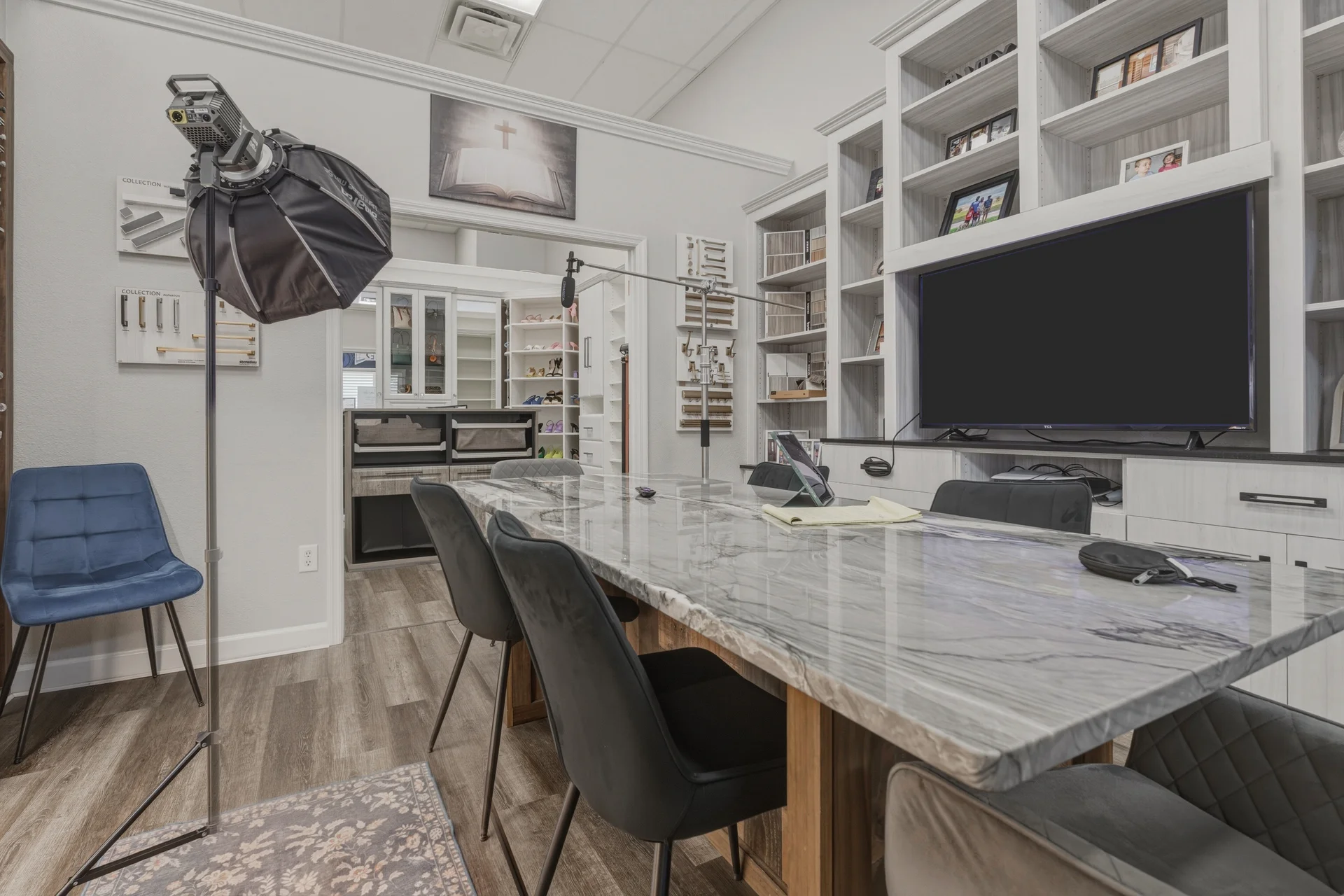
A custom closet design consultation usually takes 45 to 60 minutes and includes measuring the space, reviewing what you need to store, discussing finishes and accessories, and creating a design that can be priced clearly. The goal is to turn a vague storage problem into a specific plan.
Dream Closets LLC uses this process with homeowners across Sarasota, Bradenton, Lakewood Ranch, Venice, and nearby communities. The consultation is not just about selling shelves; it is about understanding how the closet should work every day.
What happens before the consultation?
Before the appointment, the homeowner usually shares the room type, the general problem, and the location. For example, the project may be a primary walk-in closet in Sarasota, a reach-in closet in Bradenton, or a pantry and closet combination in Lakewood Ranch.
You do not need perfect measurements before the visit. Exact measuring happens during the consultation. It does help to think about what is frustrating now: shoes on the floor, not enough hanging space, poor lighting, no drawers, or a shared closet that feels unbalanced.
Photos can help, but they are not a replacement for measuring. Door swings, trim, outlets, vents, attic access, ceiling height, and wall conditions can all affect the design.
Do you need to clean out the closet first?
No. In fact, it is often better if the designer sees the closet in normal use. A full closet shows what types of items need homes and where the current layout is failing.
You may want to remove private items or anything you do not want visible, but there is no need to empty the whole space. The consultation is about solving real storage, and real storage is rarely showroom-perfect.
If the closet is packed tightly, that tells the designer something important: the new system needs better visibility, better categories, and possibly more drawer or shelf storage.
What does the designer measure?
The designer measures wall lengths, ceiling height, door openings, returns, corners, windows, outlets, switches, vents, and any obstacles. In a closet, a few inches matter. A drawer that cannot open fully or a shelf hidden behind a door return can make the finished system frustrating.
The designer also looks at whether the existing shelving needs to be removed, whether walls may need patching, and whether the space has unusual angles. Many Florida homes have closets that look simple until door trim, attic access, or HVAC placement is considered.
Accurate measurement is one reason an in-home consultation is stronger than a generic online quote.
What questions will the designer ask?
The designer will ask practical questions about how you use the closet. How much do you hang? How much do you fold? How many shoes do you want visible? Do you need drawers inside the closet? Do you share the space? Do you store luggage, linens, golf clothes, beach gear, or seasonal items?
These questions shape the layout. Someone who hangs most clothing needs more rods and fewer drawers. Someone who folds workout clothes and casual wear may need drawer towers and adjustable shelves. A homeowner with 60 pairs of shoes needs a very different design from someone with 12 pairs.
A good consultation should feel specific. If every homeowner gets the same layout, the closet is not truly custom.
How are finishes and accessories chosen?
After the storage needs are clear, the designer can talk through finishes and accessories. Common finish choices include clean white, gray, warm wood tones, and textured laminates. The best choice depends on the home, the room, and the budget.
Accessories should support daily habits. A pull-out hamper helps if laundry piles up. A valet rod helps if outfits are staged in advance. Jewelry trays help if small items get lost. Shoe shelves help if the closet floor is crowded.
Dream Closets LLC usually recommends choosing the layout first and accessories second. The system should work even before the extras are added.
Will you see a design during the consultation?
Depending on the project, the designer may sketch layout ideas during the visit and then prepare a more detailed design afterward. Many projects include a 3D design so the homeowner can see how shelves, rods, drawers, and accessories fit together.
A 3D design is useful because closets are hard to imagine from a flat drawing. Seeing the system helps homeowners catch issues before anything is built. Maybe one side needs more hanging. Maybe a drawer stack should move closer to the door. Maybe shoes need more space than expected.
Revisions are normal. The first design is a starting point for discussion, not a take-it-or-leave-it decision.
How is the quote created?
The quote is based on the approved design, materials, accessories, and installation needs. A simple reach-in closet may be priced quickly. A larger walk-in with an island, lighting, and premium finishes takes more design detail.
Homeowners should expect the quote to explain what is included: materials, hardware, accessories, removal of old shelving, installation, and warranty. If a price seems unclear, ask what would change the number.
For planning, many custom closet projects range from $1,200 for simple reach-ins to $8,500 or more for larger walk-ins. The consultation turns that broad range into a specific number.
What happens after you approve the design?
After approval, the project moves to production and scheduling. Most closet projects take two to four weeks from approval to installation, depending on materials, project size, and schedule availability.
Before installation, the homeowner empties the closet. The crew removes the old shelving if included, installs the new system, adjusts drawers and shelves, cleans up, and walks through the finished closet.
Most single closet installations are completed in one day, which keeps disruption low.
What should you prepare before the appointment?
Make a quick list of what is not working. Count shoes roughly. Think about whether you want folded clothes in the closet or in bedroom furniture. Decide whether the closet should be purely practical or more like a finished dressing area.
If two people share the closet, both should be part of the consultation when possible. Shared closets fail when one person's routine is designed around and the other's is guessed.
Dream Closets LLC can guide the process, but the best designs come from honest details about how the space is really used.
What is the next step?
If your closet is hard to use, a consultation gives you a clear plan before you commit to anything. Dream Closets LLC serves Sarasota, Bradenton, Lakewood Ranch, Venice, and surrounding areas with custom closet design and installation.
The next step is to schedule a free design consultation, walk through the space with a designer, and see what your current closet could become.
Frequently Asked Questions
How long does a closet design consultation take?
Most consultations take 45 to 60 minutes. Larger projects or multiple rooms may take longer.
Do I need exact measurements before the consultation?
No. The designer takes exact measurements during the appointment. Rough dimensions can help with early planning, but they are not required.
Can both partners be involved in the design?
Yes, and it is recommended for shared closets. Each person usually has different storage habits, clothing types, and daily routines.
Is the consultation only for closets?
No. The same process can apply to pantries, garages, laundry rooms, home offices, and built-ins, depending on the storage problem.
Read This Article For Your Area
Get location-specific tips and find local services
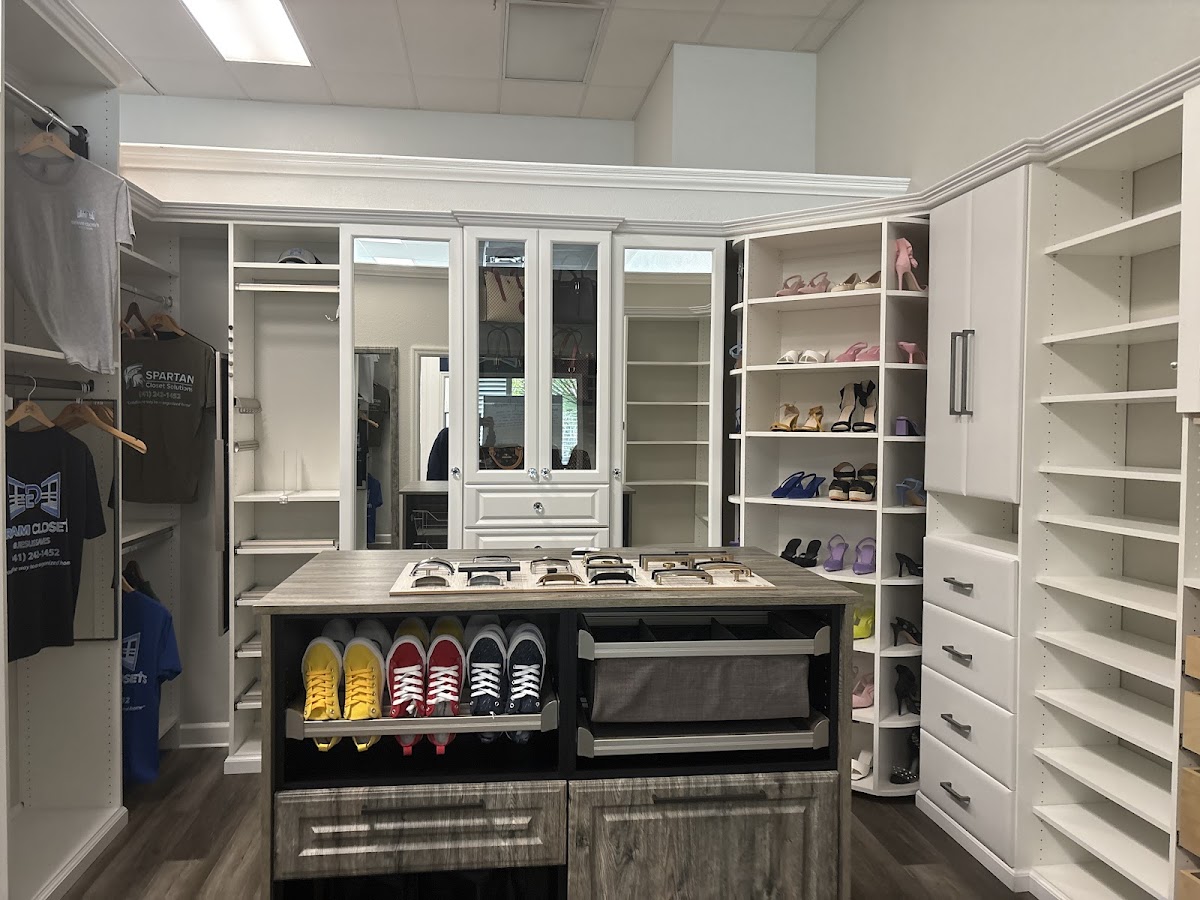
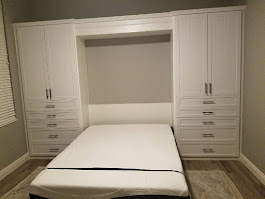
Proudly Serving Sarasota & The Gulf Coast
Dream Closets LLC brings professional organization to homeowners across Manatee and Sarasota counties.