Limited closet space can make it difficult to keep your home organized. Clothes may end up on chairs, shoes can pile up near the bedroom door, and household items may take over shelves and drawers. If you live in Bradenton and struggle to find enough room for your belongings, a better storage plan can help you make the most of your home. Dream Closets LLC helps homeowners explore custom storage solutions that fit their rooms, belongings, and daily routines. With the right layout and a few practical design choices, you can create more storage without making your living space feel crowded.
Why Is Storage Planning Important in a Home With Limited Closet Space?
When a home lacks enough closet space, adding more furniture may seem like the easiest solution. However, extra dressers, shelves, and storage boxes can take up valuable floor space and make rooms feel smaller.
A better approach starts with understanding what you own and where you need to store it. You may have clothes that require hanging space, shoes that need organized shelves, or household supplies that currently occupy bedroom closets.
Once you identify these needs, you can choose storage options that fit your home. Wall mounted shelves, built in cabinets, under bed storage, and custom closet systems can help you use areas that otherwise go unused.
For homeowners in Bradenton, the goal should be to create storage that makes everyday life easier. You want to find your belongings quickly, keep rooms tidy, and move around your home without navigating piles of clutter.
1. Take Inventory of Your Belongings
Before buying storage furniture or planning a renovation, take time to review the items you need to store. This step helps you understand how much space you actually require.
Start with your clothes, shoes, bags, accessories, and seasonal belongings. Then consider household items such as linens, cleaning supplies, luggage, and extra bedding.
Separate your belongings into a few groups:
- Items you use every day.
- Items you use occasionally.
- Seasonal belongings that you only need at certain times.
- Items you no longer need or want to keep.
You may discover that you can create more room simply by removing items you no longer use. Donate suitable clothing and household goods, recycle what you can, and dispose of unwanted items responsibly.
After sorting everything, estimate how much hanging space, shelving, and drawer space each category needs. This gives you a clearer starting point for your storage plan.
2. Make Better Use of Vertical Space
One of the easiest ways to increase storage is to use the wall space above existing furniture. Many homes have empty wall areas that could accommodate shelves, cabinets, or other storage features.
For example, you can install shelves above a dresser, add cabinets above a laundry area, or use taller storage units in a bedroom.
Vertical storage works especially well when you have limited floor space. It allows you to store more belongings without filling the room with additional furniture.
However, you should plan the height carefully. Keep everyday items within easy reach and reserve higher shelves for belongings you use less frequently.
Make sure wall mounted storage has appropriate support for the intended weight. A professional can help determine the right mounting method for your wall type and the items you plan to store.
3. Consider a Custom Closet System
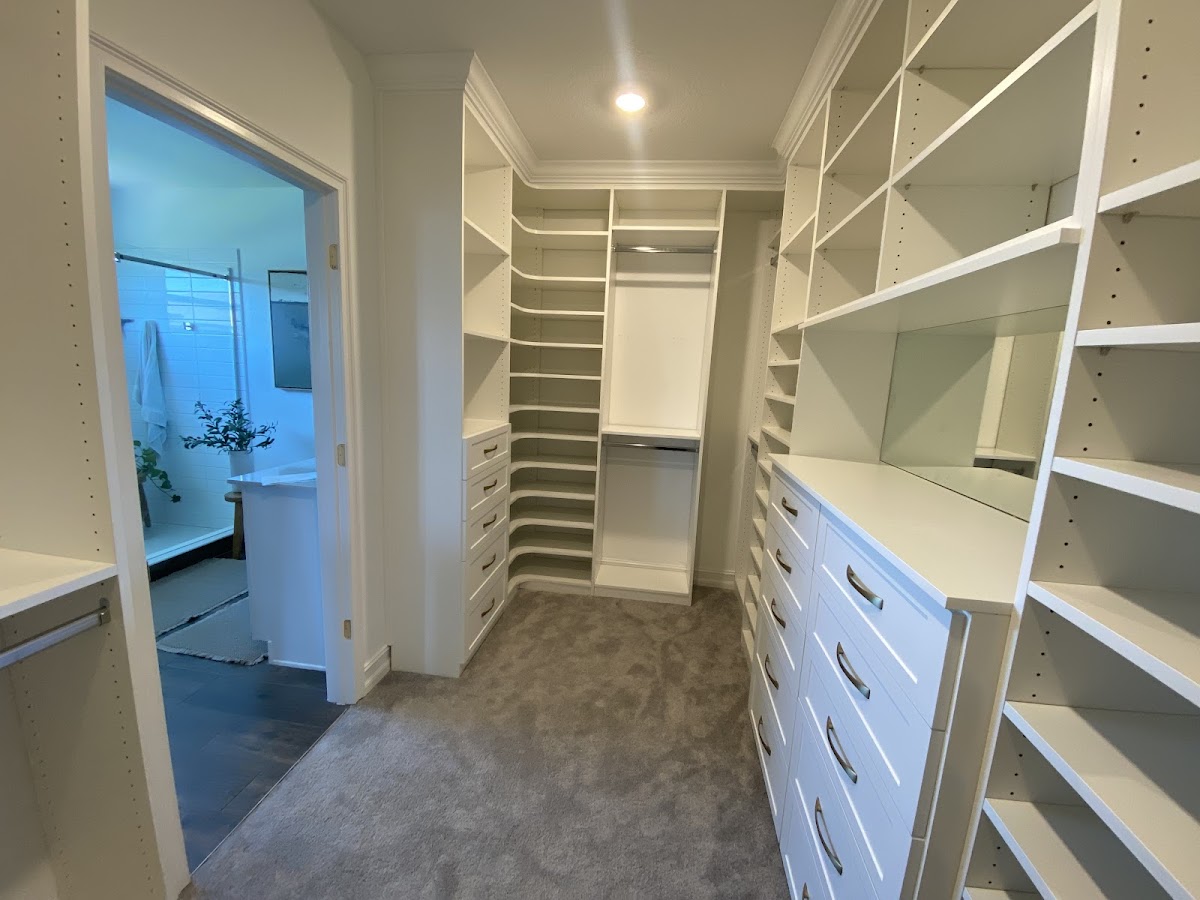
If your existing closet feels too small, the problem may not be the amount of space alone. Poor shelf placement, a single hanging rod, or unused upper areas can prevent you from using the closet efficiently.
A custom closet system can help you organize the available space around your belongings.
Add double hanging rods
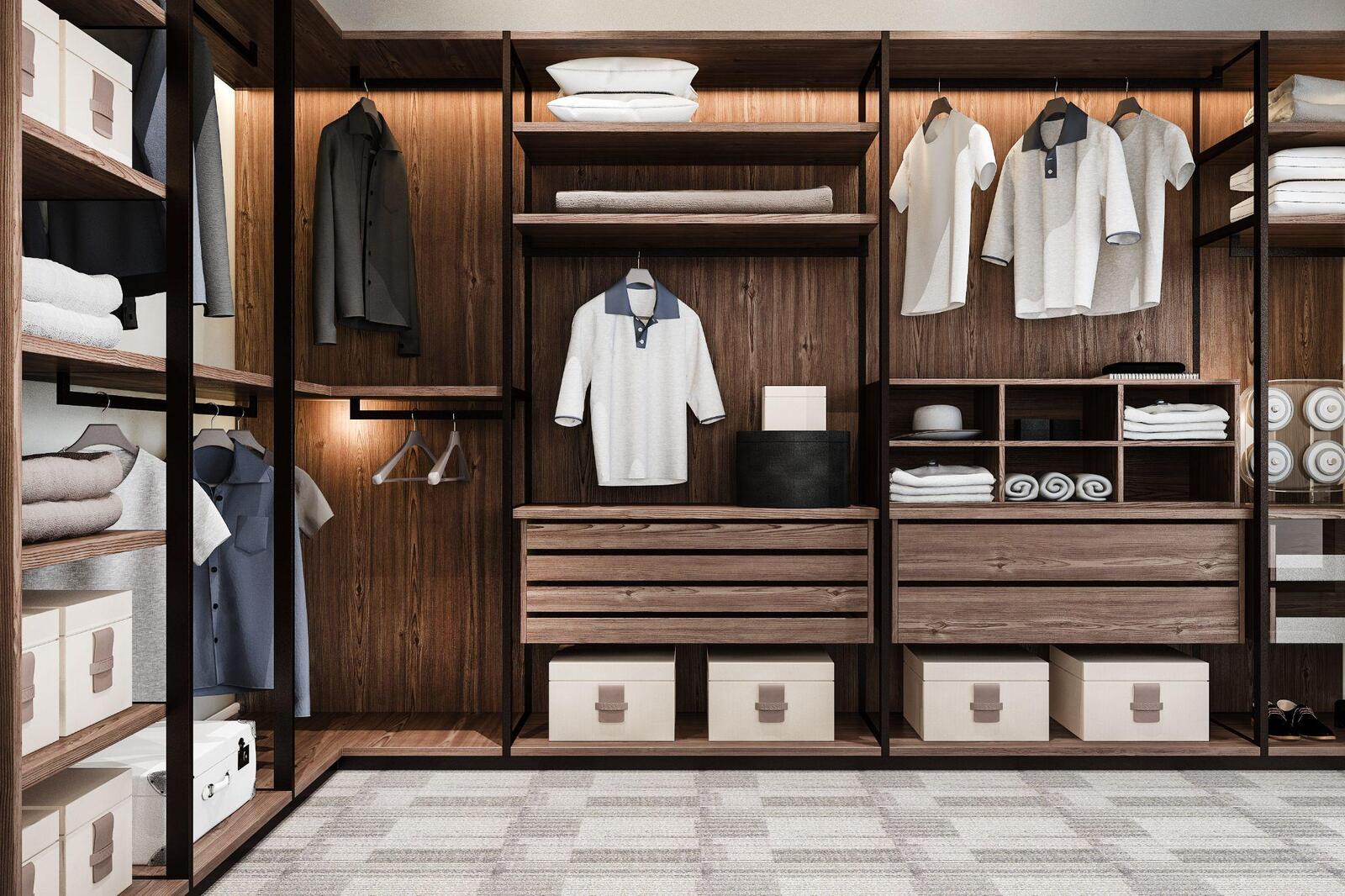
If you own many shirts, trousers, skirts, or shorter garments, double hanging rods can create two levels of hanging space. This arrangement allows you to use the vertical area more effectively than a single rod.
You should still leave enough room for longer garments such as dresses and coats. A combination of single and double hanging sections can accommodate different clothing types.
Include shelves and drawers
Shelves can hold folded clothes, bags, hats, and storage containers. Drawers provide a convenient place for underwear, socks, accessories, and other small items.
Think about which items you reach for most often and place them in accessible locations.
Use the upper section
The space near the top of a closet often goes unused. Adding suitable upper shelves can provide room for luggage, seasonal clothing, spare bedding, and other items you do not need every day.
Dream Closets LLC offers custom closet solutions that can help Bradenton homeowners organize their belongings and make better use of their available closet space.
4. Choose Furniture That Provides More Than One Function
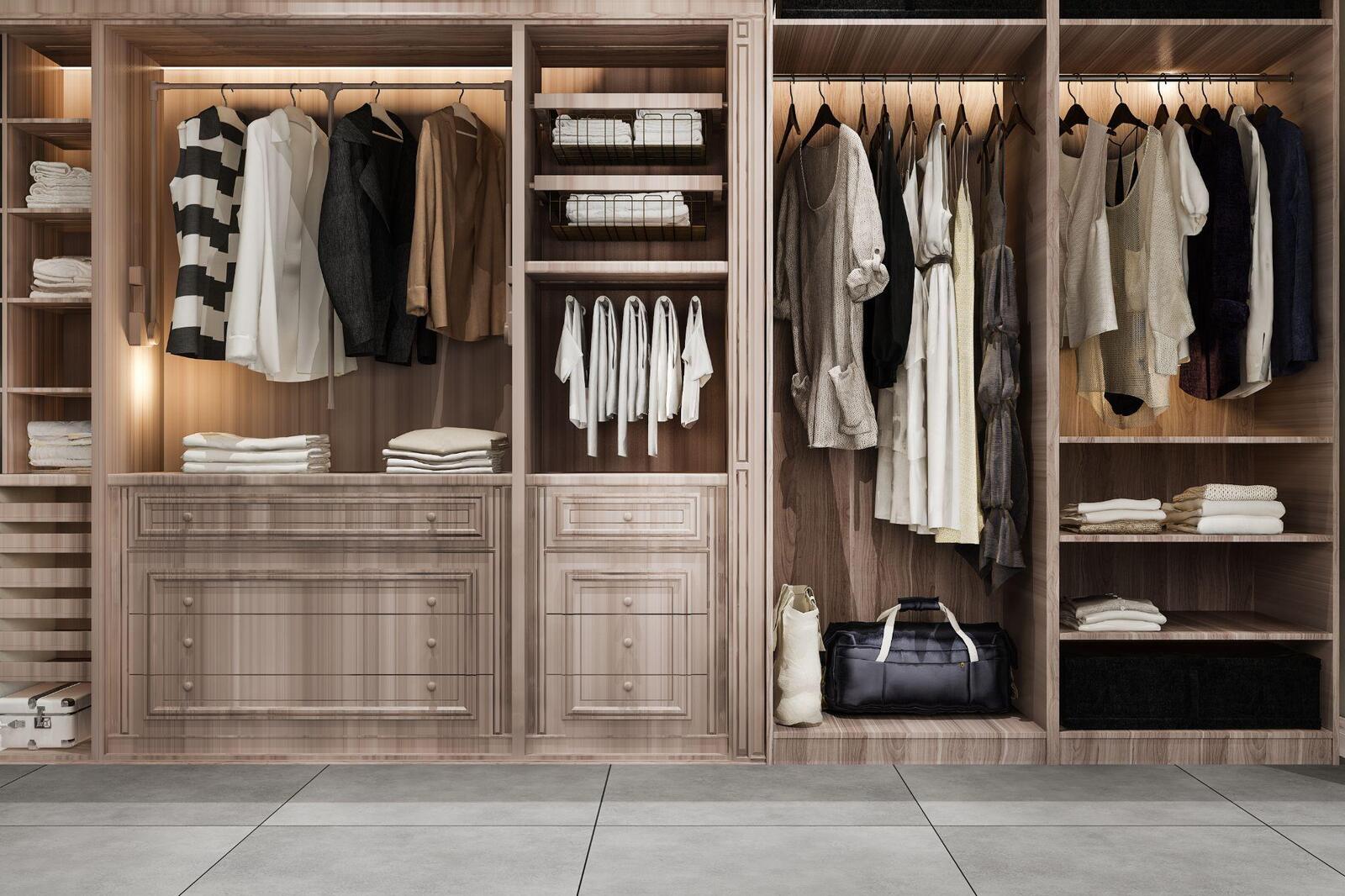
When you have limited storage, furniture that serves several purposes can help you use your rooms more efficiently.
A storage bed, for example, can provide space for extra bedding, seasonal clothes, or other items that do not need daily access. An ottoman with a storage compartment can hold blankets or accessories while providing additional seating.
You might also consider a dresser that fits beneath a window or a bench with storage near the entrance.
Before purchasing multifunctional furniture, measure the available area. Make sure drawers can open fully and that you can walk around the furniture comfortably.
Avoid adding pieces simply because they provide storage. Choose furniture that meets a specific need and fits naturally into the room.
5. Use Under Bed Storage Wisely
The space beneath your bed can provide useful storage, especially when your bedroom has a small closet.
Low storage containers can hold seasonal clothing, spare sheets, blankets, and other belongings. Some beds also include built in drawers that provide easier access than separate containers.
Choose storage options that fit the available clearance beneath your bed. Containers with wheels may help you move items in and out without much effort.
Keep stored items clean and dry. Use suitable containers to protect clothing and linens from dust, and avoid storing damp belongings beneath the bed.
You should also organize the containers by category. Labeling them can help you find what you need without opening every box.
Under bed storage works best for items you do not need every day. Keep frequently used clothing and accessories in your main closet or dresser so you can reach them quickly.
6. Create a Dedicated Shoe Storage Area
Shoes can consume a surprising amount of closet space. When you pile them on the floor, they can also make it difficult to reach clothing and other belongings.
A dedicated shoe storage system can help you organize footwear while freeing up other areas of your closet.
Depending on your available space, you could use a narrow shoe cabinet, adjustable shelves, or a shoe rack near the bedroom entrance. A closet with enough width may also accommodate built in shoe shelves.
Sort your footwear by type and frequency of use. Keep everyday shoes in an accessible location and store special occasion footwear elsewhere.
Measure boots and taller shoes before choosing shelf spacing. You may need a few taller compartments to accommodate them comfortably.
If you have a large shoe collection, consider how much space you want to dedicate to footwear before finalizing the rest of your storage plan.
7. Turn an Unused Wall Into Storage
An empty wall can provide an opportunity to add storage without expanding your closet.
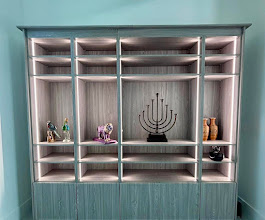
You might install floating shelves for books and decorative items, add a narrow cabinet for accessories, or create a built in storage unit that fits the room.
In a bedroom, a combination of shelves and closed cabinets can provide space for folded clothes, bags, and personal belongings. In a hallway, a slim cabinet may hold shoes, bags, and everyday essentials.
Choose a design that matches the room and leaves enough space for movement. Storage that projects too far into a narrow walkway can make the area uncomfortable to use.
You should also consider what you plan to store before choosing between open and closed storage. Open shelves offer easy access, while cabinets help conceal clutter.
A thoughtful design can turn an unused wall into a practical storage area without filling the room with separate furniture.
8. Organize Seasonal Clothing Separately
Not every item in your wardrobe needs to remain in your main closet throughout the year. Heavy coats, special occasion clothing, and seasonal accessories can occupy valuable space even when you rarely use them.
Separate these items from your everyday wardrobe and store them in suitable containers or upper shelves.
Before putting clothing away, make sure it is clean and completely dry. Use storage containers that suit the fabric and follow care instructions for delicate items.
Label the containers so you can identify their contents easily. This simple step saves time when you need to retrieve something later.
You can also review your seasonal belongings before storing them. If you no longer wear certain items, consider donating them rather than using valuable storage space.
A seasonal storage plan keeps your main closet focused on the clothes you currently need.
9. Make Small Closets Easier to Use
A small closet can still provide useful storage when you organize it around your daily routine.
Start by grouping similar items together. Keep work clothes in one section, casual clothing in another, and accessories in a dedicated drawer or organizer.
Use slim hangers where appropriate to reduce wasted space on the clothing rod. Shelf dividers can help keep folded garments organized, while small bins can contain accessories and other loose items.
Avoid filling every inch of the closet simply because space is available. Overcrowded shelves make it harder to find belongings and can cause items to fall out when you reach for something.
Leave enough room to remove clothes and open drawers comfortably. A well organized closet should make your routine easier, not create another daily frustration.
If your closet has an awkward shape or unused corners, a custom layout may help you make better use of the available dimensions.
10. Add Storage to Other Areas of the Home
Your bedroom closet does not need to hold every household item. Moving certain belongings to other suitable areas can reduce pressure on your wardrobe.
For example, you can store extra linens in a hallway cabinet, keep cleaning supplies in a dedicated utility cupboard, or use a pantry for kitchen items that currently occupy unrelated storage spaces.
A home office may benefit from built in shelves and cabinets, while a garage can provide space for tools, outdoor equipment, and seasonal household belongings.
The key is to give each category a suitable home. Avoid moving clutter from one room to another without creating a clear organization system.
Before adding storage to another room, check the available space and consider how the new furniture will affect movement and access.
When each area serves a clear purpose, your home can feel more organized even if the bedroom closets remain relatively small.
11. Consider Built In Cabinets for Awkward Spaces
Some homes have corners, alcoves, or narrow wall sections that standard furniture cannot use efficiently. These spaces may be too small for a dresser but large enough for a custom cabinet or shelving unit.
Built in storage can make use of these areas while maintaining a consistent look throughout the room.
You might add cabinets around a doorway, install shelves in an unused alcove, or create a storage unit that fits beneath a sloped ceiling.
The best solution depends on the room's dimensions and the items you need to store. Measure the space carefully and account for doors, windows, outlets, and other obstacles.
A custom design can help you use unusual spaces without making the room feel crowded. It can also provide storage that blends with your existing furniture and interior style.
12. Plan Your Storage Around Your Daily Routine
The most effective storage system is one that supports how you actually live.
Think about the items you use every morning and evening. Clothing, shoes, bags, and personal accessories should be easy to reach. Items you use only occasionally can go on higher shelves or in less accessible cabinets.
If several family members share storage areas, consider assigning separate shelves, drawers, or sections to each person. This can reduce confusion and help everyone maintain the organization system.
You should also leave some room for future purchases and changing needs. A storage system that has no spare capacity may become cluttered again quickly.
Before making final decisions, walk through your daily routine and identify where you experience the most frustration. Use those observations to guide your storage choices.
How Dream Closets LLC Can Help With Limited Closet Space
Planning storage for a home with limited closet space requires careful measurements and a clear understanding of your belongings. You may need a combination of hanging rods, drawers, shelves, cabinets, and storage features that use otherwise wasted areas.
Dream Closets LLC helps homeowners explore custom storage options for different rooms and needs. Its custom closet services can help you organize clothing, shoes, accessories, and household belongings while making better use of your existing space.
If you live in Bradenton, consider reviewing your current storage before beginning a project. Identify the items that cause the most clutter, measure your closet, and think about which features would make your daily routine easier.
A professional design consultation can help you evaluate your options and choose a layout that suits your home.
Improve Your Home Storage in Bradenton
Limited closet space does not mean you have to live with clutter. By reviewing your belongings, using vertical space, organizing seasonal items, and choosing storage that fits your rooms, you can make your home more comfortable and functional.
If you want a storage solution designed around your needs, contact Dream Closets LLC to discuss your options. You can book a professional storage design consultation and explore ways to make better use of your available space. Call (941) 242-1452 to get started.